Women Travelling Alone in Oman: A First-Hand Self-Drive Report

Quick Answers: Women Travelling Alone in Oman
Is Oman safe for women travelling alone? Yes. Oman is generally considered one of the safest countries in the Middle East. Women travelling alone or in pairs are treated with respect, especially when they dress appropriately and observe local customs.
Can women drive in Oman? Yes. Women can drive in Oman without restrictions. Omani women drive themselves, travel with their children, meet friends in cafés and move independently in everyday life.
Is Oman suitable for a self-drive trip as a woman? Yes. Oman is well suited for a self-drive trip. Roads are generally good, signs are often in Arabic and English, petrol stations are widely available, and local people are helpful.
Do women need to cover their hair in Oman? No, women travellers do not need to cover their hair in public. A headscarf is only required when visiting certain mosques, including the Sultan Qaboos Grand Mosque in Muscat.
What should women wear in Oman? Modest clothing is recommended. Shoulders and knees should generally be covered in villages, towns, souqs and public areas. Swimwear is acceptable at hotel pools, but not appropriate at public beaches or wadis.
Many travellers have preconceptions about the Arab world. One of the most persistent assumptions is that women cannot travel safely and independently in the region. Oman often surprises visitors in this respect. The country is considered one of the safest destinations in the Middle East, and for many women, it offers a remarkably relaxed and respectful travel experience.
Our two travellers, Gabriela and Rahel, decided to explore Oman independently by rental car. Without their husbands, without a group tour and without a driver, they spent 15 days travelling through the Sultanate on a self-drive Oman road trip. Their journey took them from Muscat into the Hajar Mountains, through Nizwa and the Wahiba Sands, along the remote east coast to Salalah and finally into the Rub al-Khali, the Empty Quarter.
This is their first-hand account of what it felt like to travel as women in Oman, how they experienced local encounters, and why the country left such a lasting impression.
Our Oman Road Trip Itinerary
From Muscat, we drove into the mountains of Jebel Shams and Jebel Akhdar before continuing to Nizwa. From there, our self-drive Oman route took us to the Wahiba Desert, with a detour to Wadi Bani Khalid.
We then continued southwards along the east coast to Duqm and on via Shuwaymiya to Salalah. A guided multi-day tour into the Rub al-Khali Desert rounded off the trip.
The route combined many of Oman's most impressive landscapes: high mountains, traditional towns, desert tracks, wadis, remote beaches, rocky coastlines, frankincense country and the vast dunes of the Empty Quarter. For anyone planning an Oman road trip by rental car, this itinerary shows just how varied the country can be within two weeks.
Travelling Without Husbands: First Impressions
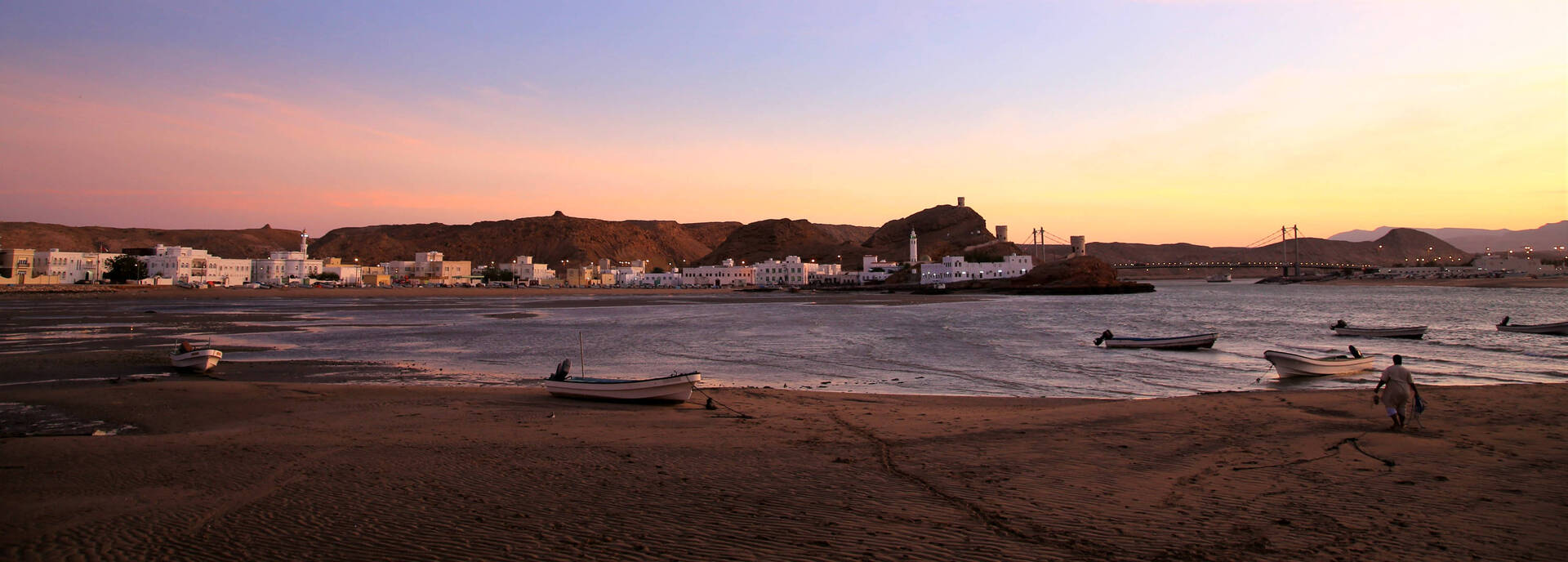
We were very pleasantly surprised by how naturally it was accepted that we were travelling without our husbands. To be honest, this was not something we had expected before the trip.
Once we realised that Omani women also travel independently, drive to the beach with their children, go out in groups or sit together in cafés, it no longer felt surprising. Women in Oman came across as self-assured and confident. They wore their traditional clothing with pride and carried themselves with dignity and independence. Conversations with Omani women confirmed this impression.
For us, one of the most important lessons of the trip was that travelling as women in Oman felt far less unusual than we had imagined.
Encounters with Omani Men, Police and Military
The men we met, most of them also traditionally dressed, were consistently friendly towards us and showed polite reserve. We never experienced intrusive behaviour. Instead, encounters were respectful, calm and often genuinely helpful.
Our encounters with police and military at various checkpoints were also positive. Officers were professional, polite and friendly. At no point did we feel uncomfortable as women travelling without male companions.
The Omanis are generally very tolerant towards foreign visitors. On popular beaches and in wadis, signs politely ask tourists to respect local culture and dress appropriately. Fortunately, even the occasional visitors wearing shorts, sleeveless tops or bikinis were neither stared at nor openly criticised. That does not mean such clothing is appropriate everywhere, but it does say a lot about the restraint and tolerance we experienced throughout the country.
What Women Should Know About Clothing in Oman
Oman is a conservative country, but not an intimidating one. As female travellers, we felt that dressing respectfully made travel easier and more comfortable.
In towns, villages, souqs and public areas, shoulders and knees should be covered. Loose trousers, long skirts, T-shirts with sleeves, tunics, linen shirts or light scarves work well in the climate and are culturally appropriate.
At wadis and public beaches, modest swimwear or a T-shirt over swimwear is advisable. At hotel beaches and pools, normal swimwear is acceptable. When visiting mosques, women usually need to cover arms, legs and hair.
Respectful clothing is not about restriction. In our experience, it helped create relaxed encounters and showed that we were taking local culture seriously.
Culture: Mosques, Forts and Souqs
The absolute cultural highlight for us was the Sultan Qaboos Grand Mosque in Muscat. It is an architectural masterpiece and the most beautiful mosque we have ever seen.
Oman also has a wealth of beautiful forts and palaces. We will particularly remember the fort in Rustaq, although that is probably mainly because of the warm welcome we received there. We were served dates and coffee and then shown around the grounds by the guard, who guided us with great enthusiasm and pride.
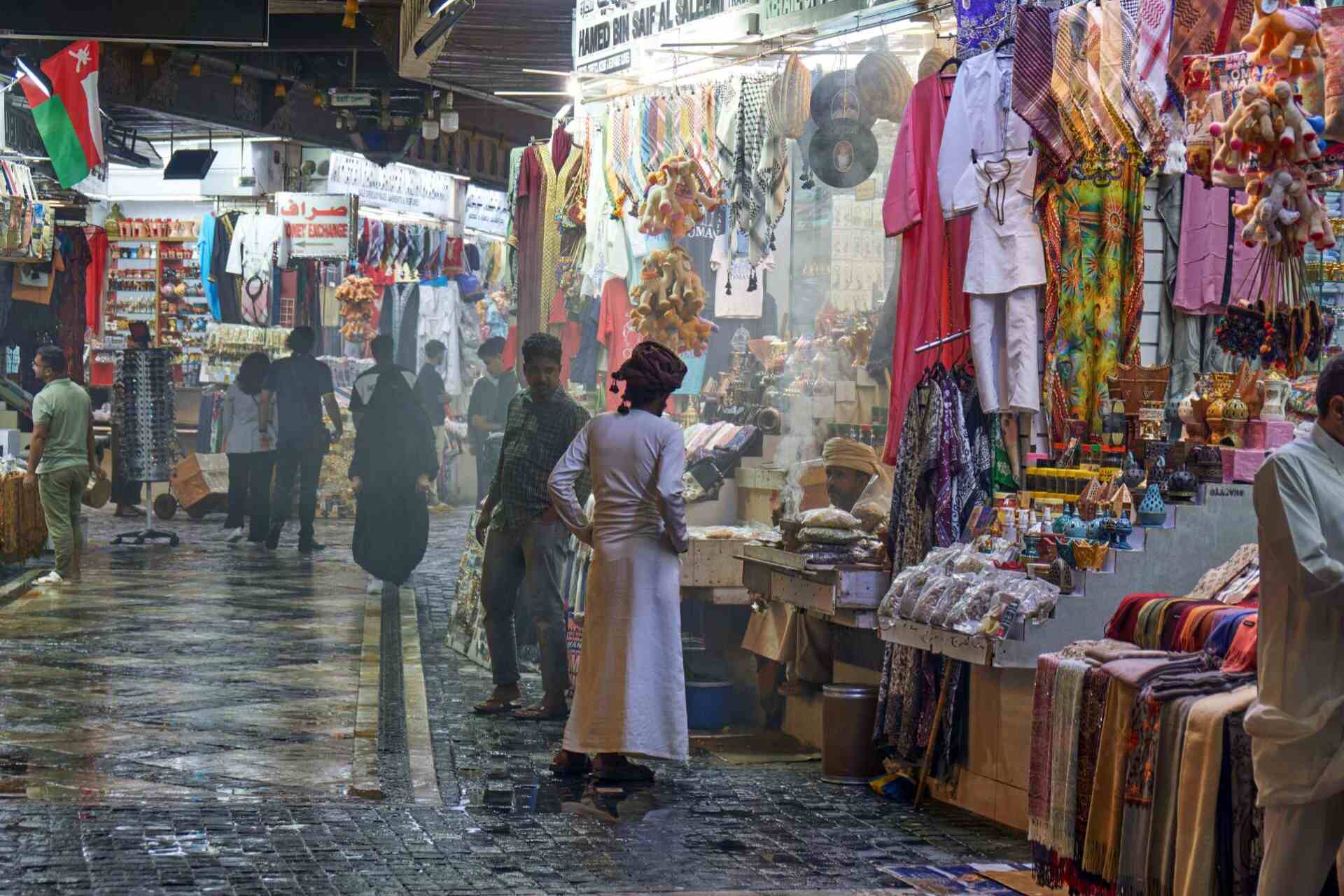
Of all the souqs we visited, the one in Nizwa was our favourite. It is a wonderful place to mingle with local people, browse at leisure and discover not only souvenirs but also many traditional local goods. For women travelling alone in Oman, markets such as Nizwa Souq are a good way to experience everyday life without feeling out of place.
Landscapes and Nature in Oman
We have rarely experienced so many “wow” moments in just two weeks.
For passionate off-road drivers like us, Oman offers countless challenging and secluded tracks over mountains, through gorges and wadis, and along beaches. At the same time, there are well-marked hiking trails, beautiful viewpoints and natural pools that can be reached without extreme driving experience.
The variety of landscapes is extraordinary. We enjoyed endless, secluded sandy beaches, fascinating rocky stretches of coastline, mountain roads, wadis, desert tracks and remote valleys.
Hardly mentioned in standard travel guides, but a real gem, is Wadi Shuwaymiya. Its rock formations glow in every colour, especially in the soft light of the late afternoon. For us, this was one of the most impressive places on the entire journey.
Wadi Bani Khalid and Oman's Wadis
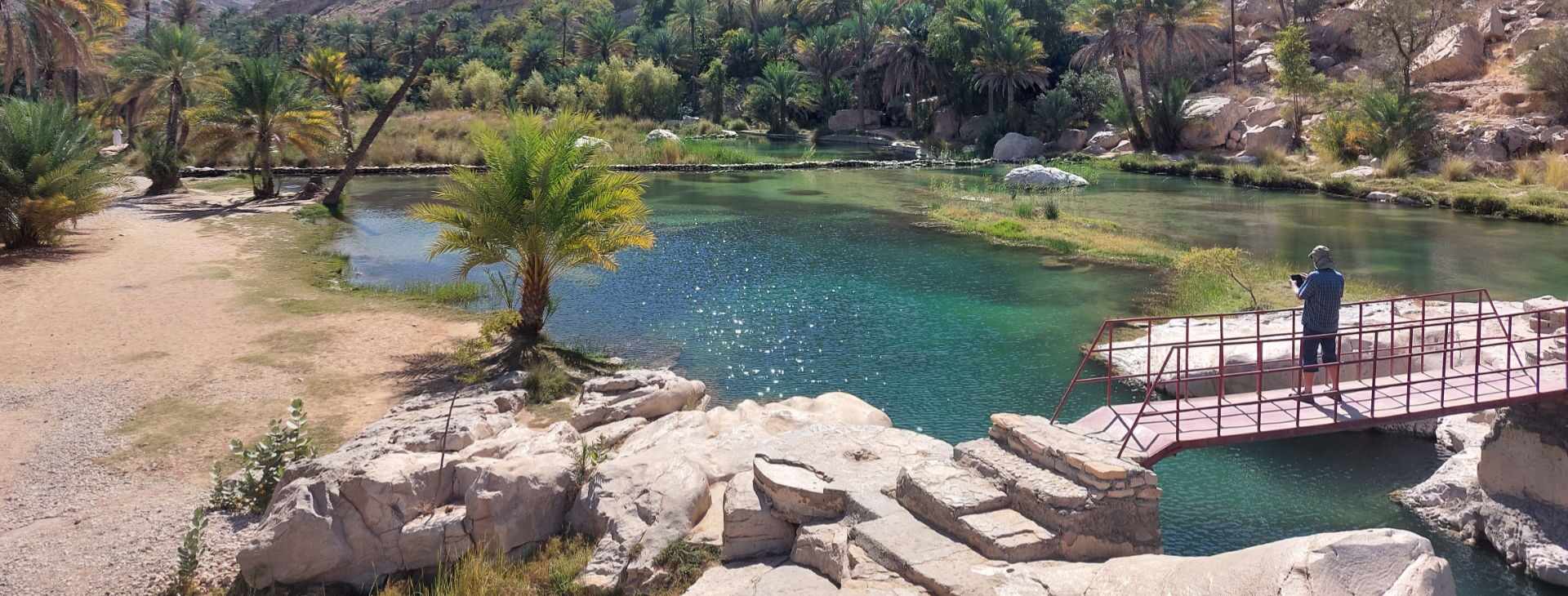
Our detour to Wadi Bani Khalid showed why wadis are such an essential part of any Oman road trip. Clear water, pale rock, palm trees and natural pools create a landscape that feels almost unreal after driving through dry mountains and desert areas.
For women travelling alone, wadis are generally easy to visit, especially the better-known ones. It is still important to respect local customs. Modest clothing is recommended, particularly when local families are present.
Wadis are also places where safety matters. Rain in the mountains can cause flash floods, even if the sky above you is clear. Never camp in a wadi bed, and never enter a flooded wadi by car.
Our guide to driving in Oman covers flash floods, wadi crossings and what to do if the water level rises.
The Rub al-Khali: Into the Empty Quarter
For us, venturing into the Rub al-Khali, the world's largest continuous sand desert, was absolutely fascinating. As huge fans of deserts, we have travelled to many desert regions, but the Rub al-Khali is certainly one of the most beautiful and remote.
The scale of the dunes is hard to describe. The landscape feels endless, quiet and powerful. During our trip, we even saw valleys in bloom, which made the experience even more special.
A trip into the Rub al-Khali should not be treated like an ordinary self-drive excursion. Remote desert travel requires experience, preparation and usually local support. Our multi-day tour into the Empty Quarter was guided, which made it possible to enjoy the landscape without underestimating the risks.
For anyone planning a self-drive Oman journey, the Rub al-Khali can be a highlight, but it should be planned carefully and realistically.
Read a full 1001 Nights self-drive adventure into the Rub al-Khali desert.
Is Oman a Good Destination for Solo Female Travel?
Based on our experience, yes. Oman is a very good destination for women travelling alone or in pairs, provided they travel with respect for local customs and prepare their route carefully.
We felt safe, welcomed and taken seriously. We were not treated as an oddity because we were travelling without husbands. Instead, we encountered politeness, restraint and genuine hospitality.
The country is also well suited to independent travel. Roads are generally good, petrol stations are frequent, shops are easy to find and signs are often bilingual. For women who enjoy driving, landscapes and cultural encounters, Oman offers a rare combination of safety, independence and adventure.

Practical Tips for Women Travelling Alone in Oman
Plan your route realistically and avoid very long driving days, especially at the beginning of the trip. Distances in Oman can be longer than they appear on the map.
Dress modestly in public areas, villages, souqs and wadis. This helps avoid misunderstandings and shows respect for Omani culture.
Avoid driving remote tracks alone. For mountain pistes, desert sections or very isolated areas, inform someone of your route or travel with local support.
Do not camp in wadi beds. Flash floods can be dangerous even when the weather seems calm.
Accept hospitality with appreciation, but keep normal travel awareness. Oman is safe, but common sense is still important.
Carry enough water, especially when travelling in the mountains, desert or along remote coastal roads.
Use offline maps as well as normal navigation apps. Mobile reception is good in many areas, but not everywhere.
Conclusion: Oman, You Are a Gem
Oman, you are a gem in every respect. We will definitely be back.
A heartfelt thank you to nomad, especially to Natalie, for the perfect organisation and support before and during the trip. Hats off also to the representatives of the local partner agencies. We learned that punctuality in Oman often means arriving half an hour early rather than one minute late.
This journey changed the way we think about travelling in the Arab world. Oman showed us a country of great landscapes, strong women, courteous men, warm hospitality and unforgettable road trip moments.
Would you also like to experience these “wow” moments on your holiday? The nomad team and Julietta Baums look forward to hearing from you.
Whether you are planning a self-drive Oman road trip, a private journey with local support, a 4WD route through the mountains and desert or a carefully organised trip as women travelling alone, we will be happy to advise you.
Browse our Toyota Prado and Isuzu DMax fleet → Or start with our complete 4WD self-drive guide to Oman for route planning and vehicle tips.
Read the full German-language first-hand report version on blog.nomad-reisen.de